
Finding your first job as a student can feel overwhelming, especially when most job offers ask for previous experience. But the reality is that every professional starts somewhere, and many companies are actively looking for motivated young talent willing to learn and grow.
In today’s job market, employers value more than just experience. Skills like communication, adaptability, teamwork, and initiative can help students stand out even without a long resume.
Inspired by the reference content shared in your uploaded document here are the best practical tips to help students land their first job successfully.
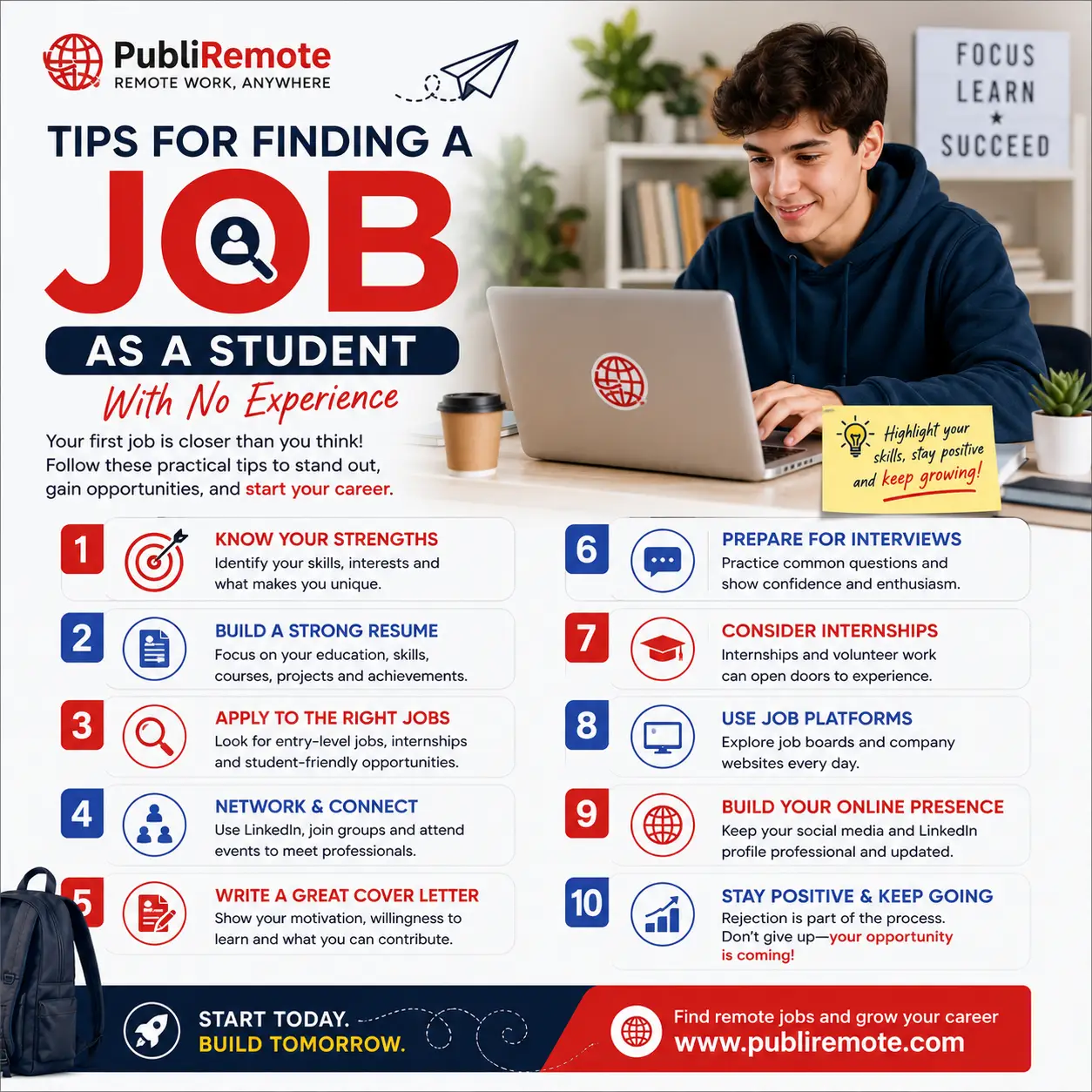
Why Students Struggle to Find Their First Job
One of the biggest challenges students face is the classic problem:
“You need experience to get a job, but you need a job to gain experience.”
While this can be frustrating, many employers understand that students are just beginning their careers. The key is learning how to present your strengths, potential, and willingness to learn effectively.
1. Build Confidence in Yourself
Even if you don’t have professional experience yet, you still have valuable skills and qualities.
Employers appreciate candidates who show:
- Confidence
- Positive attitude
- Motivation
- Professionalism
- Willingness to learn
During interviews, focus on what you can contribute rather than what you lack.
2. Highlight Your Skills Instead of Experience
Many students underestimate the importance of soft skills.
Skills like these are highly valuable:
- Communication
- Teamwork
- Creativity
- Organization
- Problem-solving
- Leadership
- Time management
Think about:
- School projects
- Volunteer work
- Clubs
- Sports
- Personal projects
All of these experiences can demonstrate real abilities.
3. Create a Strong Resume
Your resume should focus on your strengths, education, and skills.
What to Include:
- Education and certifications
- Languages
- Technical skills
- Volunteer work
- Academic projects
- Online courses
- Extracurricular activities
Resume Tips:
- Keep it clean and professional
- Use clear formatting
- Avoid long paragraphs
- Highlight achievements
Tools like Canva can help create professional-looking resumes easily.
4. Apply for Entry-Level Jobs
Focus on positions designed for beginners and students.
Some great options include:
- Customer service
- Virtual assistant
- Retail jobs
- Social media assistant
- Internship programs
- Call center jobs
- Administrative support
- Remote freelance work
Many companies offer student-friendly roles with flexible schedules.
5. Build Your Professional Network
Networking is one of the most powerful ways to find job opportunities.
Many jobs are filled through:
- Recommendations
- Referrals
- Professional connections
Ways to Build Your Network:
- Create a LinkedIn profile
- Attend career fairs
- Join online communities
- Connect with professionals in your field
- Participate in student events
The more visible you are professionally, the more opportunities you can discover.
6. Write a Good Cover Letter
A cover letter helps explain:
- Why you want the job
- Why you’re interested in the company
- What skills you can bring
Even without experience, enthusiasm and motivation can make a strong impression.
Example Opening:
“I am highly motivated to begin my professional career and eager to contribute my communication skills, creativity, and willingness to learn to your team.”
7. Prepare for Job Interviews
Interviews can feel intimidating at first, but preparation makes a huge difference.
Common Questions:
- Tell me about yourself
- Why do you want this job?
- What are your strengths?
- How do you handle teamwork?
- How do you solve problems?
Practice your answers before the interview to improve confidence and communication.
8. Consider Internships & Volunteer Work
Internships and volunteer opportunities help students:
- Gain practical experience
- Build confidence
- Improve resumes
- Develop professional skills
Even unpaid experiences can help you open doors to future opportunities.
9. Improve Your Online Presence
Recruiters often check candidates online before hiring.
Tips:
- Create a professional LinkedIn profile
- Remove inappropriate content from social media
- Use a professional profile picture
- Share career-related content
Your digital image matters more than ever.
10. Stay Positive & Persistent
Finding your first job takes time.
Rejections are normal and part of the learning process. Every application and interview helps you improve your confidence and experience.
The key is consistency:
- Keep applying
- Keep learning
- Keep improving your skills
- Don’t give up
Final Thoughts
Getting your first job as a student without experience may seem difficult, but it’s absolutely possible with the right strategy and mindset.
Focus on:
- Building skills
- Improving your resume
- Networking
- Staying motivated
- Applying consistently
Every professional started as a beginner, and your first opportunity could be closer than you think.
For more career advice, remote work opportunities, and student-friendly job resources, visit PubliRemote Blog.
